AIR NEXUS:
The Atmospheric Element of Life
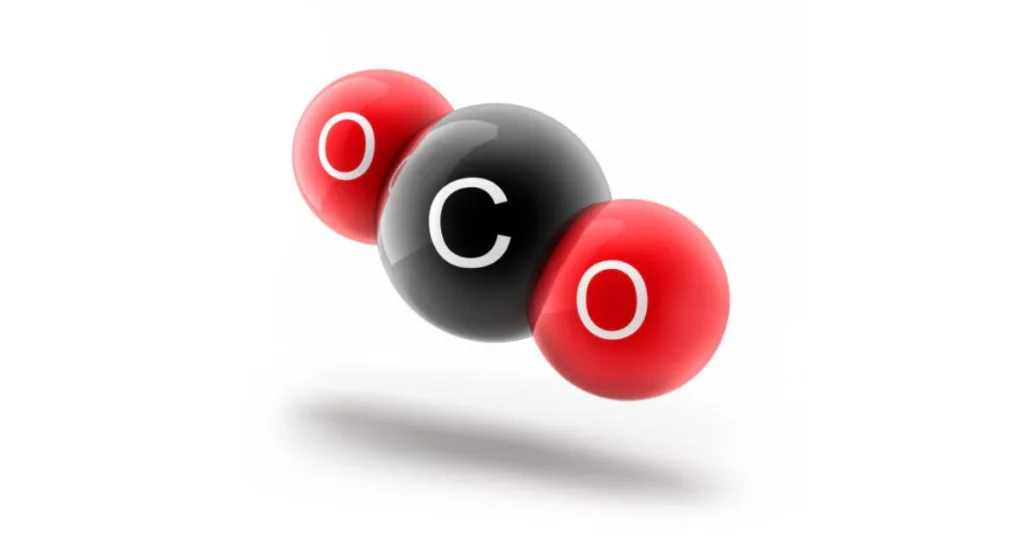
Carbon dioxide CO2
Air, the Atmospheric Nexus of Life.
“The Atmospheric Nexus is the primary energetic circuit of the planet. It is not merely a medium to be observed; it is the fundamental infrastructure upon which all biological and industrial sovereignty rests.”
The concept of the atmospheric air nexus encompasses a comprehensive understanding of how the atmosphere interacts with various elements that impact both the environment and public health. It highlights the intricate relationships between the quality of the air we breathe, the ongoing changes in the climate, and the overall health of populations worldwide.
At its core, the atmospheric air nexus recognizes that air quality is influenced by a myriad of factors, including human activities such as industrial emissions, vehicle exhaust, and agriculture. These activities release pollutants that degrade air quality, leading to serious health problems like respiratory diseases and cardiovascular issues. Moreover, this pollution doesn’t exist in isolation; it interacts with natural processes, contributing to phenomena such as smog formation, acid rain, and even climate change itself.
Climate change, driven by greenhouse gas emissions, further complicates this relationship. As global temperatures rise and weather patterns shift, we can expect more frequent and intense air quality issues. For instance, higher temperatures can exacerbate the formation of ozone at ground level, worsening smog in urban areas and posing significant health risks, especially for vulnerable populations like the elderly and children.
The nexus also emphasizes the importance of energy usage. The transition from fossil fuels to renewable energy sources can improve air quality by reducing the emissions that contribute to both air pollution and climate change. This transition not only helps mitigate environmental impacts but also promotes public health by creating cleaner air.
In addition, the atmospheric air nexus is vital for informed policymaking. Understanding these interconnections can guide governments and organizations in implementing effective strategies to enhance air quality, combat climate change, and protect human health. For example, policies that promote sustainable transportation and energy efficiency can simultaneously address pollution and climate issues while improving overall health outcomes.
Ultimately, recognizing the atmospheric air nexus is crucial for fostering a sustainable future. By acknowledging the deep interconnections at play, we can work towards solutions that enhance air quality, combat climate change, and safeguard the health of communities around the world. This holistic perspective is essential for creating effective environmental policies and promoting a healthier planet for current and future generations.
Atmospheric Air Threats
HYDROGEN BOMB: The ultimate disruption of the atmospheric equilibrium, these devices do not merely destroy; they fundamentally alter the chemistry and stability of the air in the immediate and long-term aftermath. Their existence stands as a testament to humanity’s capacity to shatter the very medium—the air—that sustains our collective existence.
ELECTROMAGNETIC TURBULENCE: While you focus on kinetic and gaseous threats, our atmosphere is also a medium for electromagnetic energy. Solar flares, ionospheric disturbances, and artificial high-frequency activity can destabilize the very “nexus” you are building upon. Recognizing this acknowledges that the air is not just gas—it is a live, energetic circuit.
- BIOLOGICAL PATHOGENS: From a Theron Science perspective, the atmosphere is the primary transport vector for biological hazards. Whether natural or synthetic, these particulate threats bypass traditional filtration models. Including this elevates the conversation from “cleaning the air” to “securing the biological environment.”
- THE VOID OF INERTIA: This is the antithesis of your Wind is Change philosophy. In urban or engineered environments, air that loses its natural motion becomes stagnant—it loses its ability to self-cleanse through kinetic movement. This is a “threat” of our own making by building structures that reject the natural flow of the planet.
HURRICANES: These are the atmosphere in an unrestrained state, a manifestation of raw kinetic energy concentrated into a singular, destructive vortex. They represent the Earth’s desperate mechanism for heat redistribution, reminding us that when the atmospheric nexus is pushed past its threshold, the result is an overwhelming force that disregards all human infrastructure.
TORNADOES: Localized, violent, and unpredictable, tornadoes are the atmospheric equivalent of a snap-point. They represent the extreme turbulence that can emerge when disparate air masses collide, demonstrating the fragility of our current environment and the speed at which atmospheric stability can disintegrate into chaos.
PARTICULATE MATTER: Often invisible to the naked eye, these microscopic solids and liquids represent a persistent, slow-moving threat to our respiratory systems and the clarity of our environment. They are the accumulated debris of industrial life, suspended in the medium we rely on for every breath, subtly degrading the biological function of life itself.
GASEOUS POLLUTANTS: Beyond the visible, our atmosphere is increasingly saturated with compounds—sulfur dioxides, nitrogen oxides, and volatile organics—that alter the fundamental chemical composition of the air. These pollutants do not simply linger; they actively react and transform, creating complex, harmful interactions that compromise the air’s natural ability to support life.
GREENHOUSE GAS: This is the thermal blanket we have unknowingly cast over the planet, trapping the heat that fuels all other atmospheric extremes. By altering the concentration of carbon dioxide and methane, we are resetting the thermostat of the Earth, fundamentally shifting the energy balance that has supported human civilization for millennia.
CLIMATE CHANGE: This is the cumulative outcome of every threat listed above. It is the shift from a predictable, rhythmic atmosphere to one defined by instability and extremity. It is the systemic failure of the old model, signaling that our relationship with the atmosphere must evolve from one of passive consumption to one of active stewardship and engineering.
RECYCLED INDOOR AIR: We have retreated into hermetically sealed environments to escape the very atmosphere we have compromised, only to trap ourselves in a cycle of recycled, stale, and often toxic air. It is the final irony of the modern age—spending our lives breathing air that has been stripped of its vitality, recirculated, and processed until it is a mere shadow of its natural state.
THE STRATOSPHERE LAYER: This is the shield, the delicate chemical filter that preserves the conditions necessary for life. As this layer faces disruption from chemical interactions and human-introduced agents, we compromise the very mechanism that protects us from the harsh reality of solar radiation. Protecting it is not merely an environmental goal; it is a structural necessity for the continuity of life.
“To secure the nexus is to master the movement of air—explore our Kinetic Harvesters and TRON Integration to see how we define the future of atmospheric stewardship.”